

Support
for carers
What type of support do you need right now?
Caring for someone living with dementia can bring different challenges at different times.
Choose the option below that best describes what you need right now.
-
What to do if you're concerned about memory changes
Memory changes are not a normal part of ageing and it’s important to make an appointment with your GP to discuss your concerns.
Your GP may complete memory testing and order investigations including blood tests and brain imaging. If it’s required, a referral may then be made to the Cognitive Dementia and Memory Service (often referred to as the ‘memory clinic’) or to a geriatrician or neurologist for further investigation.
Helpful resources
-
What to do after receiving a diagnosis of dementia
A dementia diagnosis can bring a mix of emotions and many questions. It is normal to feel uncertain about what to do next. While dementia affects everyone differently, there are supports available to help both the person living with dementia and those who care for them.
You do not need to make every decision immediately. Taking things one step at a time can make the process more manageable.
What should we do first?
Talk with your GP. Your GP can help you:
Understand the diagnosis
Discuss treatment and symptom management options
Arrange referrals to specialists or allied health professionals if needed
Support ongoing health monitoring
It can be helpful to bring a family member or support person to appointments and write down any questions you have beforehand.
Helpful resources
-
Learning about dementia and finding education
There are many comprehensive resources available to help you learn more about memory changes and dementia. Some of this information is over the telephone or online, while other providers may offer in-person education sessions.
Education can help people living with dementia and their carers understand what to expect, respond to changes and make informed decisions about support.
Helpful resources
Dementia Australia – Learning about dementia →
Or call 1800 100 500
Or call 1800 699 799
Treehouse 4 Two – Education program for the Bendigo Heathcote region →
-
Getting an assessment and accessing services
Many people living with dementia receive community services to help them remain living safely and independently at home.
Services may include:
Assistance with showering and personal care
House cleaning
Meals
Medication assistance
Garden maintenance
Social activities
Respite
For most government-funded aged care services, an assessment through My Aged Care is the first step. You can contact My Aged Care yourself, or someone else can make a referral on your behalf.
An assessor will talk with you about your situation, your needs and the support that may be available.
Helpful resources
Or call 1800 200 422
Younger onset dementia and the NDIS
If you live with younger onset dementia, you may also be able to access support through the National Disability Insurance Scheme (NDIS).
Call 1800 800 110
-
Looking after yourself as a carer
Carers play a vital role in supporting people living with dementia to remain living in the community.
It is essential that carers receive the assistance and support they need to continue their caring role.
Caring can be rewarding, but it can also be exhausting and isolating. You may experience stress, frustration, grief, guilt or feel that you do not have time for yourself. Support is available.
There are several different agencies who can provide assistance, including support with counselling, peer support, education, respite and practical needs.
Helpful resources
Dementia Australia – National Dementia Helpline →
Or call 1800 100 500
Dementia Support Australia – 24-hour helpline →
Or call 1800 699 799
Or call 1800 422 737
Sunraysia Community Health Service – Support for Carers Mildura →
-
Understanding and accessing respite
Respite provides a break for carers while ensuring the person living with dementia continues to receive the support they need. Taking a break from caring is an important part of maintaining your own health and wellbeing.
You do not need to wait until you are exhausted or in crisis before considering respite.
Respite can look different depending on your needs. It may include:
Someone coming into the home to provide care for a few hours a week, while you take a break
Day or centre-based activities for the person you care for
Overnight or weekend respite in a community setting
A short stay in residential facility
Emergency respite if you unexpectedly become unable to provide care
For most government-funded respite services, the first step is an assessment through My Aged Care. The assessment helps determine what services you may be eligible for and what type of respite might best meet your needs.
When looking for respite, it can be helpful to ask:
Is the service dementia-specific?
Can they support the person's individual needs?
How long can respite be provided?
What does it cost?
Can I trial the service first?
What happens if the person becomes distressed or refuses to attend?
Helpful resources
Or call 1800 200 422
Or call 1800 422 737
Younger onset dementia and the NDIS
If you live with younger onset dementia, you may also be able to access respite services funded through the National Disability Insurance Scheme (NDIS).
Call 1800 800 110
-
Understanding and responding to changed behaviours
Some people living with dementia may experience changes in their behaviour or mood because of neurological changes.
Changes can include things such as increased confusion, agitation, anxiety, withdrawal, changes in sleep or changes in how someone responds to everyday situations.
Understanding why changes may be happening can help carers find ways to respond and support the person. Support is available to help you understand changes in behaviour, how they may affect daily life and strategies for managing them.
Helpful resources
-
Financial and practical support
Caring can have financial and practical impacts on both the person living with dementia and their carer. It can be useful to find out what financial assistance, concessions and other supports may be available.
Depending on your circumstances, support may include:
Carer Payment
Carer Allowance
Carer Supplement
Concession cards
Assistance with aged care costs
Financial counselling or advocacy
Eligibility varies, so it is important to check your individual circumstances.
Helpful resources
Carer Gateway – Financial support →
Or call 1800 422 737
-
Planning ahead
A dementia diagnosis does not mean that decisions need to be made immediately, but planning early can help the person living with dementia have a say in their future care and make things easier for families later.
You may want to talk about:
Future health and care preferences
Who the person trusts to make decisions if they can no longer do so
Legal and financial arrangements
Advance care planning
Driving and transport
Future living arrangements
Helpful resources
Staying safe, driving and getting out and about
A diagnosis of dementia does not necessarily mean someone needs to stop driving straight away. In the early stages, some people may be able to continue driving safely, depending on how dementia is affecting their memory, thinking, judgement and other skills needed for driving.
It is important to regularly review driving with your GP and follow any medical or licensing requirements. Planning ahead can also help make the transition to alternative transport easier if driving becomes unsafe in the future.
You may want to consider:
Driving and when to seek advice
Transport alternatives
Having a plan for emergencies
The Victorian Multi-Purpose Taxi Program provides subsidised taxi for eligible Victorians with a permanent disability or accessibility needs that prevent them from safely and independently using public transport. A dementia diagnosis alone does not automatically make someone eligible, however, some people living with dementia may meet the eligibility criteria depending on their individual circumstances.
A medical practitioner needs to provide information as part of the application process.
If you are an unpaid carer, you may be eligible for a Victorian Carer Card. Card holders can access concession fares on public transport, free weekend travel and free travel during National Carers Week. Carers can also register for free off-peak travel vouchers.
Helpful resources
Considering permanent residential care
Many people living with dementia continue to live well at home for many years with the right support. Over time, however, care needs may change and living at home may become more difficult or less safe.
Permanent residential aged care can be a positive option when someone needs more support than can reasonably be provided at home.
There is no single “right time” to consider residential care. It is a personal decision based on the needs, wishes and circumstances of the person living with dementia and those supporting them.
How do we access permanent residential care?
Step 1. Contact My Aged Care
The first step is to contact My Aged Care and request an aged care assessment for residential aged care. You can apply online or call 1800 200 422. A family member, friend or carer can help with the application.Step 2. Have an assessment
An aged care assessor will arrange a time to talk with you, usually in the person's home. They will discuss the person's care needs, safety, support at home and future needs. The assessment determines whether they are eligible for permanent residential aged care.Step 3. Receive your assessment outcome
If the person is approved for residential care, you will receive an assessment outcome and support plan. You can then begin looking for a suitable aged care home.Step 4. Understand the costs
Once the person has been approved for permanent residential aged care, you will need to work out what they may need to pay. This is done through a financial or ‘means’ assessment with Services Australia.Services Australia will need information about the person’s income and assets. This may include details about their Centrelink payments, savings, investments, superannuation and home. If they already receive a Centrelink payment, Services Australia may already have some of this information.
You can complete the assessment online through MyGov, or contact the Services Australia Aged Care line on 1800 227 475 if you need help. An Aged Care Specialist Officer can also provide information about the financial side of aged care.
Once the assessment is completed, Services Australia will provide a fee advice letter. This letter helps you and the aged care home understand what you may need to contribute towards the care and accommodation.
It is a good idea to complete this process before choosing an aged care home, so you have a better understanding of the costs involved.
Step 5. Visit and compare homes
It can be helpful to visit several homes before making a decision. Consider whether the home has experience supporting people living with dementia, whether it feels welcoming and comfortable, and whether it can meet the person's individual needs and preferences.
Step 6. Choose a home and plan the move
Once you have found a suitable home, the provider will work with you to plan the move and understand the person's routines, preferences, medications and support needs.Moving into residential care is a big change, but it can also be the beginning of a new chapter. Many people continue to enjoy meaningful relationships, activities and a good quality of life after moving into residential care.
Helpful resources
-
Getting help when things suddenly change
If the person you care for suddenly becomes confused, unwell, unsafe or their care needs change significantly, it can be difficult to know who to contact.
Medical emergency: Call 000.
Urgent change in health or care needs: Contact the person's GP, treating team or My Aged Care.
If you suddenly become unable to provide care: Contact Carer Gateway on 1800 422 737 to discuss emergency respite.
If you are concerned about changed behaviour, Dementia Support Australia can provide advice and support.
Helpful resources
Or call 1800 422 737
Or call 1800 100 500
Or call 1800 699 799

Not sure where to start?
You don't need to know exactly what support you need.
If you're feeling overwhelmed, you're not alone. Many families are unsure what support is needed when dementia first becomes a concern.
Start with the option that best describes what's happening for you now or contact your local GreenConnect Dementia Support Coordinator for personalised guidance.
In the Mildura region? Contact Kaye Matthews on 0421 191 559 or kaye.matthews@princescourt.com.au
In the Bendigo–Heathcote region? Contact Jade Field on 0455 283 314 or jafield@heathcotehealth.org
Dementia Australia or Carer Gateway can also help you work out where to begin.
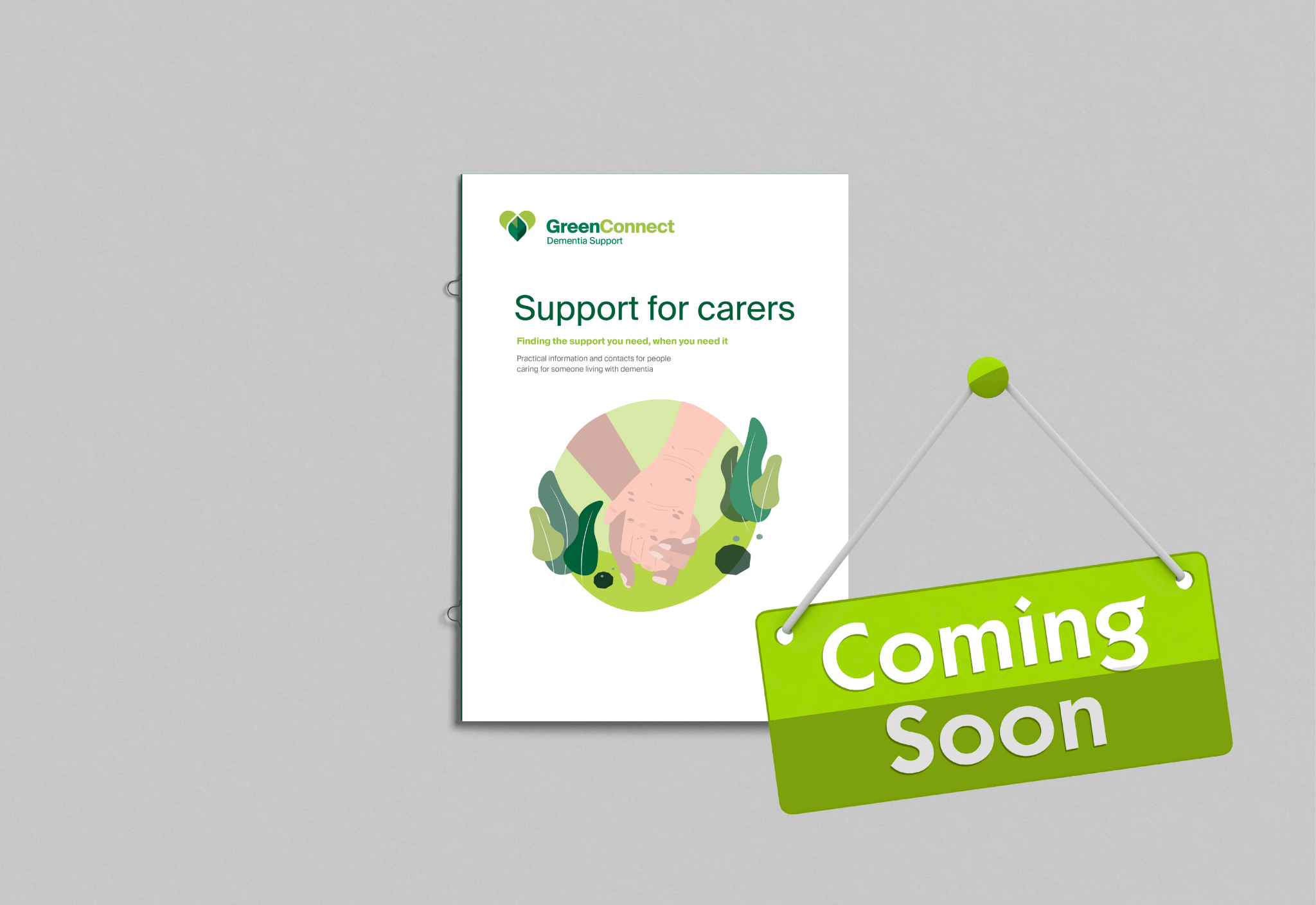
Prefer a printable version?
Download a PDF containing all the information on this page, ready to save or print.